How Kansas Ranchers Care for Newborn Calves During Calving Season
Every spring, thousands of calves are born across Kansas pastures. Here is a behind-the-scenes look at the dedication, skill, and around-the-clock care that ranchers bring to calving season.
Every spring, something remarkable happens across Kansas pastures. Thousands of calves are born on open grasslands, and ranchers work around the clock to make sure every single one gets the care and attention it needs. It is calving season, one of the most demanding and rewarding times of the year for cattle producers. Calving season offers a window into the dedication, skill, and genuine care that defines Kansas beef production. From pre-dawn ATV rides across steep terrain to the gentle handling of hours-old calves, this season reveals the commitment behind every cut of beef on your plate.

What Is Calving Season?
The Daily Routine: Early Mornings and Steep Terrain
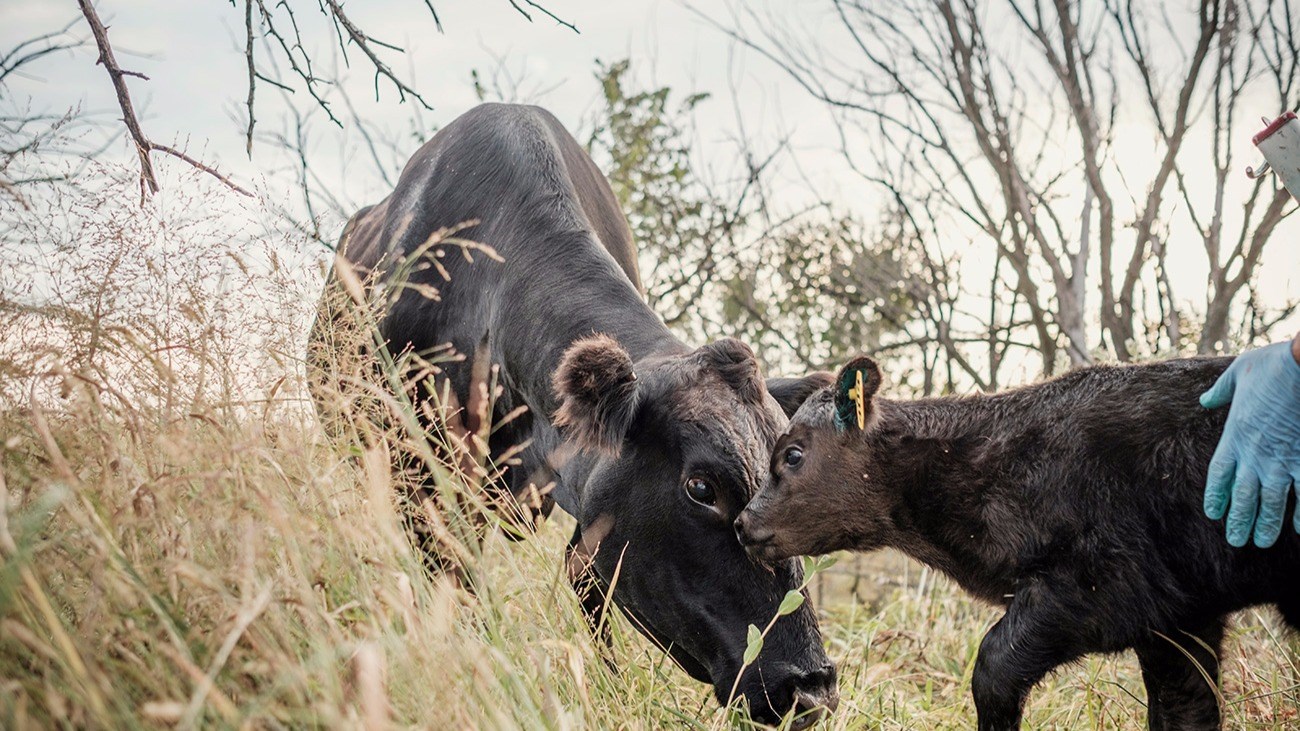
While Matt is a skilled equestrian who often moves cattle on horseback, he uses his ATV during calving season to check on newborn calves. The ATV allows him to carry essential record-keeping and medical supplies across very steep and sometimes rocky terrain. This reflects a broader truth about modern ranching: it blends tradition with practicality. The goal is always the same, to provide the best possible care for the animals while respecting their natural behaviors. When Matt locates a newborn calf, the approach is calm and deliberate. "I try to keep the calf between the cow and me at all times so she can see that I am not harming it," Matt explains. "Nearly every cow will stay right with the calf and calmly communicate with it as I am identifying and weighing it."Gentle Handling and Quick Check-Ups
The identification process is designed to be as gentle and efficient as possible. "When I weigh calves, I use a soft, loose-fitting sling attached to a hand scale," Matt says. The process involves recording birth weight and tagging the calf for ongoing tracking. The entire check-up takes only a few minutes, with the cow at the calf's side the whole time. When Matt is finished, the calf returns to its mother and the two walk across the pasture together. Birth weight matters more than most people realize. Ranchers have carefully selected cattle genetics over generations to produce calves with lower birth weights. Smaller calves mean less calving difficulty and reduced stress on the mother, a significant benefit for cow welfare and one of many examples of how ranchers use informed breeding decisions to continuously improve animal care.


Monitoring Cattle Welfare Around the Clock
During calving season, ranchers check on their herds multiple times per day and sometimes throughout the night. They watch for signs of illness, ensure calves are nursing properly, and intervene when necessary to assist with difficult births. The work is exhausting and unrelenting, but the stakes are high and ranchers take their responsibility seriously. For ranchers like Matt, there is nothing quite like watching a healthy calf stand on wobbly legs for the first time or seeing a mother cow gently nudge her newborn to nurse. It is the kind of moment that makes the early mornings and long nights worth it.
Why Calving Season Matters to Beef Consumers
The care cattle receive during calving season sets the foundation for everything that follows. Healthy calves that receive proper nutrition and attentive care from day one grow into healthy cattle that produce high-quality beef. The expertise and dedication ranchers bring to calving season is a direct reflection of their pride in producing the beef you serve your family. When you choose beef, you are supporting ranchers who wake before dawn, brave all kinds of weather, and treat every animal with respect and care. You are choosing a protein raised by people who view their work not just as a job but as a legacy, one they have been building for generations and will pass down to their children. Matt Perrier represents one of over 26,000 Kansas beef producers who are passionate about animal care, the environment, and producing beef you can feel good about eating. His ranch has been in continuous operation since 1867, and that kind of longevity does not happen by accident. It happens through dedication, expertise, and an unwavering commitment to doing things right.From the Rancher's Table to Yours
Calving season is just one chapter in the story of how your beef gets from pasture to plate, but it is a chapter that reveals the heart of Kansas beef production. It is about early mornings and hard work, yes, but it is also about pride, tradition, and the deep satisfaction that comes from caring for animals and land you love. As for Matt's personal favorite way to enjoy the beef he raises? "I love a Kansas City Strip seared to medium rare combined with grilled veggies. I like anything with beef, grilled veggies and a spicy kick."Frequently Asked Questions:
What is calving season for cattle?
Calving season is the time of year when cattle give birth. In Kansas, it typically occurs in late winter through early spring. During this period, ranchers work around the clock to monitor every cow and newborn calf, assist with difficult births, ensure calves are nursing properly, and check for early signs of illness.
How do ranchers find newborn calves on open pasture?
Experienced ranchers develop deep familiarity with their cows and their calving timelines. By tracking each cow's expected calving window, ranchers know which animals to watch closely and where to look. Finding a cow often leads directly to her newborn calf, even across rolling hills of tall grass.
How do ranchers handle newborn calves?
Ranchers approach newborn calves carefully and calmly to avoid stressing the mother. The check-up typically includes recording the calf's birth weight using a soft sling scale and tagging the calf for ongoing tracking. The process takes only a few minutes and the mother cow stays close by throughout.
Why does a calf's birth weight matter?
Birth weight is a key indicator of calving difficulty. Ranchers have selectively bred cattle over generations to produce calves with lower birth weights, which reduces stress on the mother during delivery and leads to healthier outcomes for both cow and calf. It is one of many ways ranchers use informed breeding decisions to improve animal welfare.
How often do ranchers check on cattle during calving season?
During calving season, ranchers typically check their herds multiple times per day and sometimes throughout the night as well. The frequency depends on how many cows are close to calving and what the weather conditions are. The goal is to catch any problems early and intervene quickly when a cow or calf needs help.
How does calving season affect the quality of beef?
The care cattle receive from birth directly impacts their health and development throughout their lives. Calves that receive attentive care, proper nutrition, and a healthy start grow into healthy cattle that produce high-quality beef. Calving season is the foundation of the entire beef production process.
How long has ranching been a tradition in Kansas?
Cattle ranching has been part of Kansas life for well over 150 years. Families like the Perriers at Dale Banks Angus Ranch in Eureka, Kansas have been ranching continuously since 1867. With over 26,000 beef producers across the state today, Kansas remains one of the leading beef-producing states in the country.