Raising Beef
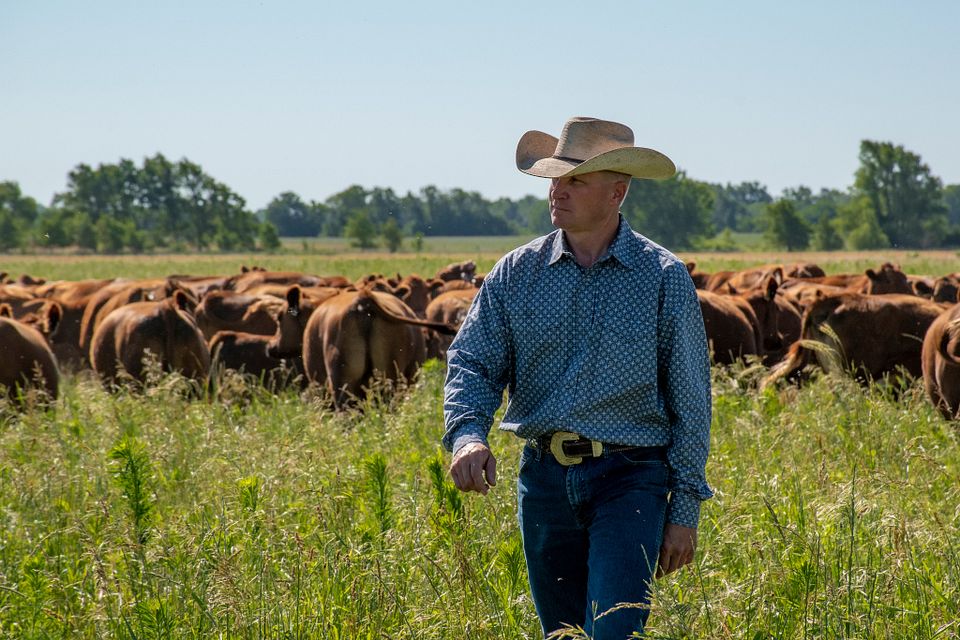
From the Flint Hills to the open prairies, raising beef in Kansas is a year-round commitment shared by more than 20,000 farm and ranch families. While the work is complex, their focus stays the same, caring for cattle responsibly and producing safe, high-quality beef for generations to come.
Stronger Communities

Pannbacker Farm
While ranching may be in his blood, it was never really in his plans. Jake Pannbacker studied to become an elementary school teacher.
Meet jake
Rock Hill Ranch
Rock Hill Ranch, Inc. is a 100-year-old family ranch in Kansas run by Randall and Erin Debler and their neighbors Paul and Nancy Miller.

Krafft Family Farms
Meet the Kraffts, ranchers in western Kansas who left the busy California Bay Area life to focus on slowing down, spending more time together and producing beef for their family, restaurants and grocery stores.
meet the kraffts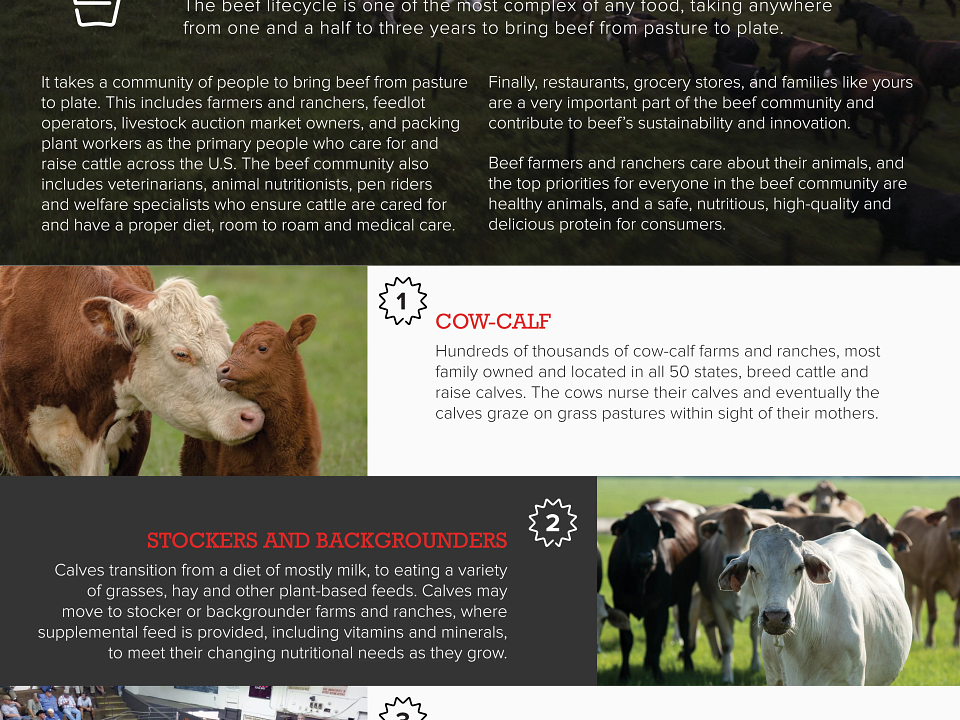
The Beef Lifecycle
The beef lifecycle is one of the most complex of any food, taking anywhere from one and a half to three years to bring beef from pasture to plate.
Kansas Beef Breeds, Explained by Kids:
Cattle come in many shapes and sizes, but every breed has one thing in common: they all produce high quality, nutrient-rich beef that can be part of a healthy, balanced diet. Here is your introduction to some of the most popular beef breeds raised right here in Kansas, brought to you by the experts who know them best.
Kinsley and Cole Talk Charolais Cattle
Charolais (pronounced char-lay) originated in France and arrived in the U.S. in the mid-1930s. Known for their white or creamy coats and impressive tolerance for both cold and heat, they are a hardy and versatile breed. Hear from Kinsley and Cole about why they love raising them.
Will Talks Gelbvieh Cattle
Gelbvieh (pronounced g-el-vay) is a German breed known for strong maternal instincts and fast-growing calves. Originally bred for both milk and meat, they are now primarily a beef breed in the U.S. and come in red or black with no horns. Meet eight-year-old Will Holle, who is already riding his Gelbvieh heifer and loves every minute of ranch life.
Chase and Colby Talk Herefords
Developed in England nearly 250 years ago, Herefords (her-furd) are recognized by their reddish-brown color and white faces and have long been valued for converting grass into lean, quality beef. Chase is 4 years old, has been ranching for 4 years, and is pretty much a pro. He and his brother Colby share what life on a Hereford ranch really looks like.
The Janssens Talk Red Angus
Yep, you read right. There are red Angus cattle! Although they are not raised as widely as black Angus, the beef Red Angus cattle provide offers similar marbling and flavor. These cattle are more heat tolerant than their black-hided relatives and are a docile cattle breed with good mothering traits. The Janssen family "does lots of ranching" and enjoy riding horses. Find out why they love being raised on a ranch and a little bit about the Red Angus breed.
Raising Beef Articles


Raising Beef Sustainably
To the beef community, sustainability means more than protecting the environment. It means balancing efficient production with environmental responsibility, social impact, and economic viability, all guided by the industry standards set through Beef Quality Assurance.

The Three Pillars of Sustainability
Beef farmers and ranchers are committed to a food system built on three pillars: social responsibility, economic viability, and environmental stewardship. Producing beef the right way means balancing all three, every single day.

Beef In A Healthy Sustainable Diet
With trendy diets and conflicting nutrition advice everywhere you look, it can be hard to know what to eat. Here is what the science actually says about beef, health, and building a diet that is both nutritious and sustainable.

Raising The Bar On Raising Cattle
Beef Quality Assurance (BQA) is a nationwide training program that sets the standard for how farmers and ranchers care for their cattle, their land, and the families who depend on them for safe, high quality beef.
The Beef Quality Assurance (BQA) Program
The beef community has a long-standing commitment to caring for their animals and providing families with the safest, highest-quality beef possible. The Beef Quality Assurance (BQA) program trains farmers and ranchers on best practice cattle management techniques to ensure their animals and the environment are cared for.