Behind the Scenes: How Veterinarians Keep Cattle Healthy at Kansas Feedyards
Meet the veterinarians, trained caregivers, and nutritionists who make cattle wellness their daily mission. From low-stress handling to modern health monitoring, Kansas feedyards prioritize prevention, comfort, and food safety at every step.
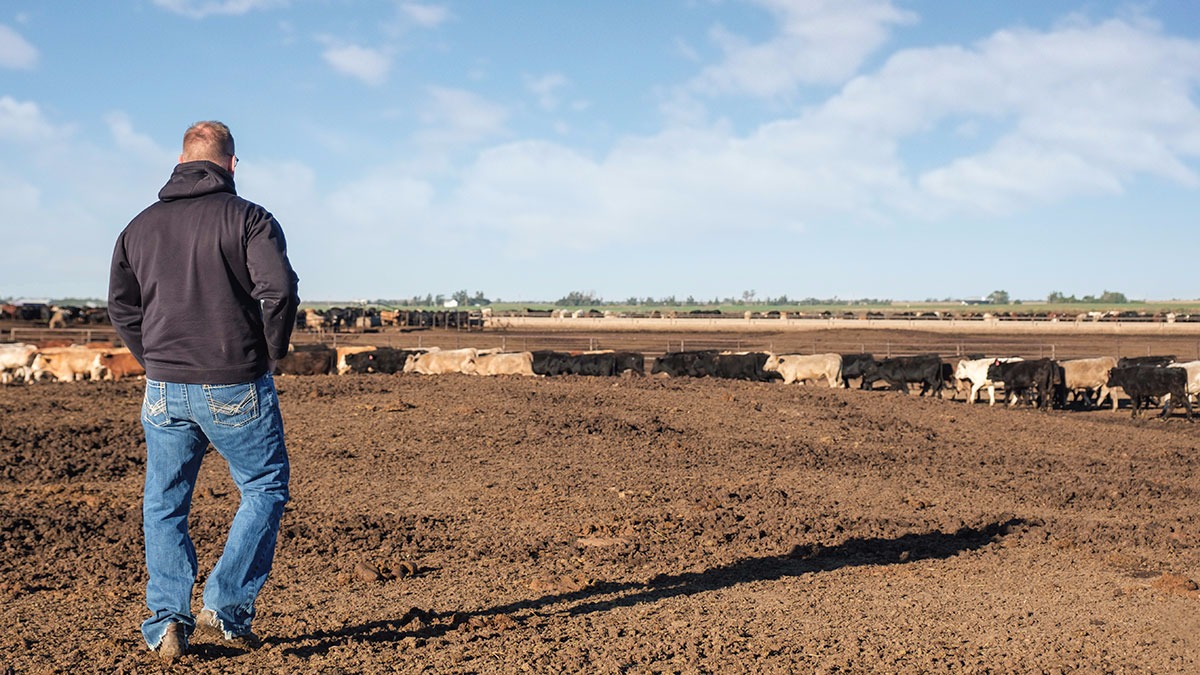
When you think about where your beef comes from, the story extends far beyond the dinner table. It includes dedicated professionals like Dr. Kip, a licensed veterinarian who spends every day focused on one mission: keeping cattle healthy and comfortable. At a feedyard in western Kansas, Dr. Kip and his team of trained cattle caregivers work together to promote animal wellness from the moment cattle arrive until they are ready to move on. The vast majority of cattle never get sick at all. The team's daily efforts center on prevention, comfort, and low-stress care that helps every animal thrive.

How Cattle Are Welcomed When They Arrive
The Role of a Feedyard Veterinarian
Many people assume veterinarians only treat sick animals. Dr. Kip sees his role differently. "My primary goal is encouraging animal well-being and promoting wellness," he says. He functions as part veterinarian, part coach, and part teacher. A significant part of his day is spent training the feedyard's cattle caregivers, the dedicated professionals who interact with every animal daily. These caregivers monitor cattle behavior and identify the earliest signs that an animal might not be feeling its best. "I am teaching them the clinical symptoms of what an animal that is not feeling well looks like," Dr. Kip notes. Since cattle cannot communicate discomfort the way humans can, these trained eyes make all the difference in catching problems early.


Technology and Traditional Care Working Together
Dr. Kip uses modern technology to monitor each animal individually. Every morning he reviews data collected by his caregivers, including detailed notes about each pen, behavioral observations, and any concerns that need attention. When driving through the feedyard, Dr. Kip watches for subtle signs: a runny nose, a slight cough, any behavior that suggests an animal needs a closer look. When he spots something, he immediately enters the animal's ID number into the feedyard's computer network and texts the cattle caregivers so treatment can happen promptly. Within hours, that animal receives personalized attention at the observation area.
What Happens When Cattle Get Sick
When an animal shows signs of illness, caregivers calmly walk it to the observation area with no stress and no rush. There, the team performs a complete health assessment including temperature check, weight measurement, breathing evaluation, and any other necessary tests. Most animals return to their pens the same day. Sometimes they need time and extra attention. Other times, a low dose of prescribed antibiotics helps them recover quickly. "Our main concern is getting that animal treated as soon as we can and getting them back to their home feeling happy and healthy again," Dr. Kip emphasizes. "That is our priority. Sometimes treating a sick animal will make us lose money, but it is the right thing to do. We will always be guided by the right thing to do."Food Safety You Can Trust
Detailed record keeping is not just good practice. It is essential for food safety. Every animal that receives treatment has a complete health record that includes any medications administered. Before cattle leave for processing facilities, the team reviews comprehensive records for every pen. If any animal received antibiotics, federal withdrawal time regulations must be met before that animal can enter the food supply. Animals still within a withdrawal period remain at the feedyard until the medicine is completely out of their system. "Judicious antibiotic use is incredibly important," Dr. Kip says. "We need to get it right. I am extremely confident animals go out of here and will not have any trace of antibiotics in their system and will be completely safe for human consumption." This layered approach, combining veterinarians, trained caregivers, digital health records, and strict federal guidelines, safeguards the integrity of your beef from feedyard to fork.A Community Built on Doing the Right Thing
The Kansas ranching community is full of dedicated professionals like Dr. Kip who are passionate about animal care. Their work is guided by a simple principle: doing the right thing, every single time. When you choose beef, you are choosing the result of that dedication: caregivers who check on every animal daily, nutritionists who design balanced diets, and veterinarians who put animal wellness above everything else. That commitment shows up in every nutritious, delicious bite.Frequently Asked Questions:
Who takes care of cattle at a feedyard?
Cattle at a feedyard are cared for by a team that includes licensed veterinarians, trained cattle caregivers, and nutritionists. Veterinarians like Dr. Kip oversee health monitoring and treatment protocols. Trained caregivers check on every animal daily and are taught to identify early signs of illness. Nutritionists design the balanced diets cattle receive twice a day.
What do cattle eat at a feedyard?
Cattle at a feedyard eat a balanced diet formulated specifically for their nutritional needs by trained nutritionists. Meals are provided at least twice daily. When new cattle arrive, fresh hay and a specially designed ration are already prepared and waiting for them.
How do feedyard veterinarians monitor cattle health?
Feedyard veterinarians use a combination of daily visual observation, caregiver-reported data, and digital health records to monitor every animal. Each morning, the veterinarian reviews detailed notes from caregivers about each pen's condition and behavior. Any animal showing signs of illness is flagged immediately and assessed at the observation area within hours.
What happens when a cow or steer gets sick at a feedyard?
When an animal shows signs of illness, trained caregivers calmly bring it to an observation area for a complete health assessment including temperature, weight, and breathing evaluation. Most animals return to their pens the same day. If antibiotics are needed, an FDA-approved dose is administered and the animal is monitored through recovery. Detailed records are kept on every treated animal.
Are antibiotics used safely in feedyard cattle?
Yes. Antibiotics are only used when an animal is diagnosed as needing treatment. Every antibiotic used must be FDA-approved, and strict federal withdrawal periods must be observed before any treated animal can enter the food supply. Records are kept on every animal that receives medication, and animals are held at the feedyard until withdrawal periods are fully met.
What is low-stress cattle handling and why does it matter?
Low-stress cattle handling is a method of working with cattle that minimizes fear and physical stress. It involves calm, deliberate movement, no yelling or rushing, and thoughtful facility design that keeps animals comfortable. Stressed cattle are more susceptible to illness and produce lower quality beef. Low-stress handling is both an animal welfare priority and a food quality practice.
How is beef kept safe from feedyard to grocery store?
Beef safety at the feedyard level is maintained through a layered system of veterinary oversight, daily caregiver monitoring, digital health records, and strict compliance with FDA antibiotic withdrawal regulations. Before any animal leaves for a processing facility, comprehensive health records are reviewed to confirm all safety requirements have been met. This multi-step process ensures the beef reaching your table is safe and free of medication residue.