
Unlocking Flavor And Nutrition: Why Beef Deserves a Place On Your Plate.
With Cara Harbstreet, MS, RD, LD, Registered Dietitian of Street Smart Nutrition
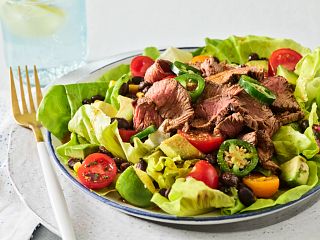
As a registered dietitian and avid home cook, few things excite me more in the kitchen than planning a meal with beef. From the familiar comfort of ground beef to unique cuts for special occasions and everything in between, beef is a nutritional powerhouse that delivers both flavor and health benefits. This might come as a surprise to some clients or friends. Knowing I’m a dietitian, they might expect me to be more enthusiastic about cooking with fresh produce or creating one of my famous #SaladsThatDontSuck. The truth is, beef can be a delightful addition to a delicious salad any time of the year! I hope to inspire the same excitement I feel when thinking about beef, not as an individual ingredient, but as an essential part in my meals and recipes. The value of beef is unparalleled, with its rich flavor and satisfying texture. But first, let’s explore the basics of beef nutrition.

Beef is a nutritional powerhouse that delivers complete protein, 10 essential nutrients per serving, and more flavor versatility than most people realize. A registered dietitian breaks down the nutrition science and shares her favorite ways to cook with beef.

What Nutrients Does Beef Provide?
No matter which cut you prefer, lean beef is a nutrient-dense food that offers a complete package of protein, vitamins, and minerals. A 3-ounce serving, roughly the size of a bar of soap, delivers 10 essential nutrients your body needs.
Beef provides complete protein containing all the amino acids our bodies require, including those we cannot produce on our own. Beyond protein, a serving of beef includes:
- Magnesium, zinc, copper, phosphorus, selenium, and iron. Iron from animal sources is particularly effective at preventing iron-deficiency anemia. A small steak can deliver up to 14 percent of your daily iron needs.
- B vitamins including thiamin (B1), riboflavin (B2), niacin (B3), B6, and B12. Together, B vitamins support a wide range of cellular functions and energy metabolism.
- Dietary fat, which provides energy and is key for carrying flavor and delivering meal satisfaction. The fat in beef is approximately 60 percent unsaturated fat.
Is Beef A Lean Protein?
Now, when it comes to choosing lean beef options, you’re in luck! More than 60%[1] of the beef cuts you’ll come across at the supermarket meet the definition of “lean”[2]. Some of my personal favorites include flank steak, top sirloin steak, and 93% lean ground beef.
While nutrition fads come and go, Americans seem to cycle between avoiding and craving fat. Instead of extreme approaches, I encourage balance. Fat isn’t the enemy, nor is it a cure-all. Fat is an important macronutrient that provides energy throughout our lives, especially during times of growth. Our bodies can better absorb and utilize fat-soluble vitamins (A, D, E, and K) when we include some fat in our meals. And perhaps most importantly, if you want to enjoy what you eat, fat enriches the taste and texture of every bite. This is why low-fat or fat-free foods can taste bland and are just not as fun to eat.
Beef nutrition is more than just the sum of its parts; it enhances the way we connect around the table, contributes to meal satisfaction, and introduces us to new flavor combinations and cooking techniques.
How to Elevate Beef with Unique Flavors
Beef is a blank canvas that pairs beautifully with a wide range of flavors. If you are looking to go beyond the classics, here are some flavor combinations worth trying:
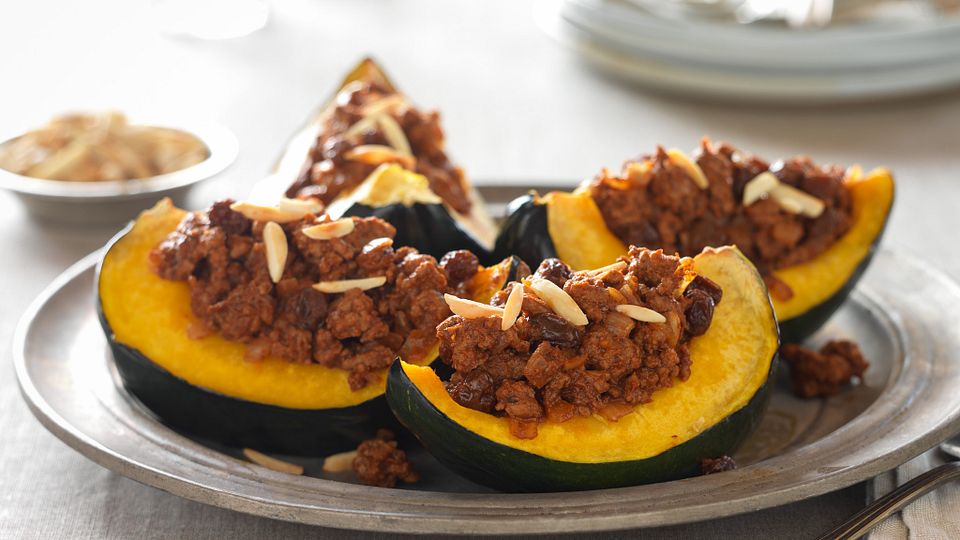
Picadillo-Stuffed Acorn Squash
Warming spices like allspice, cayenne, cinnamon, or ginger. These flavors are featured prominently in beef-based dishes from cuisines around the world. Try them in a Beef Picadillo Stuffed Acorn Squash.
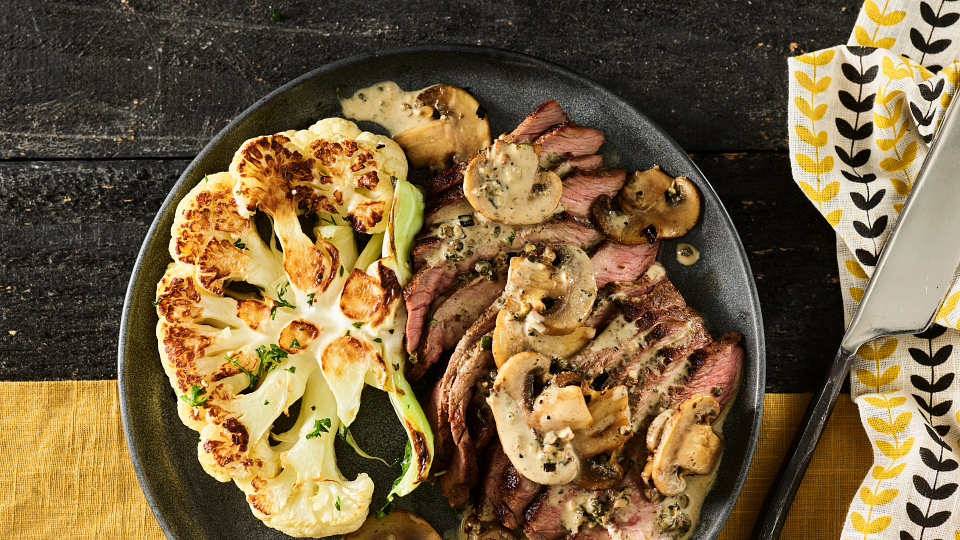
Stockyard Steaks with Mushroom & Peppercorn Sauce
Savory, umami-rich mushrooms. Just like different beef cuts have variations in flavor and texture, so do different mushroom varieties. Stockyard Steaks with Mushroom and Peppercorn Sauce is a great place to start.
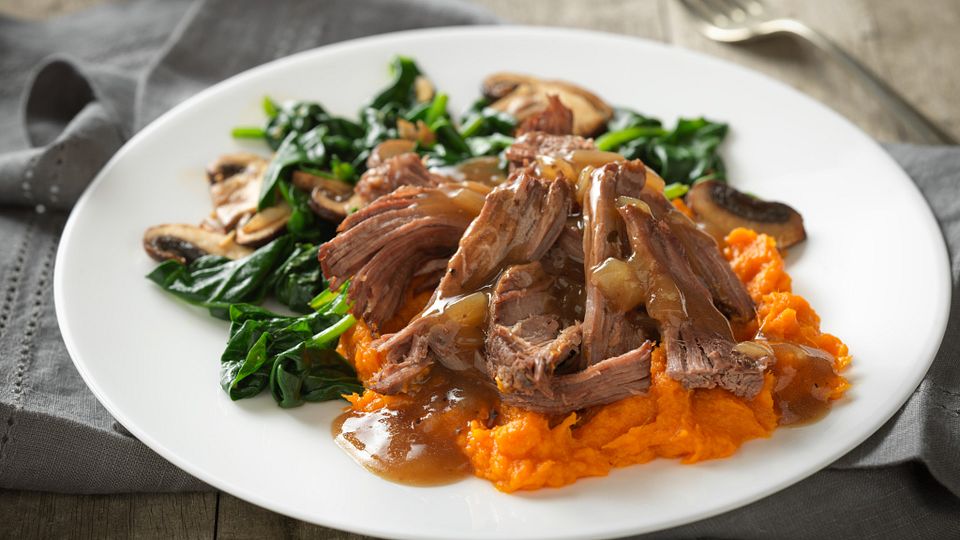
Beef Pot Roast with Cider Gravy and Maple Sweet Potatoes
A touch of sweetness in a rub, sauce, or braising liquid. Cocoa in a mole sauce, fruit in a bulgogi marinade, brown sugar in a BBQ rub, or a drizzle of balsamic glaze, maple syrup, or honey all pair beautifully with beef. Beef Pot Roast with Cider Gravy and Maple Sweet Potatoes is a perfect example.

Pairing Beef Cuts with the Right Cooking Method
Pairing specific cuts with the right cooking method makes a significant difference in the final result. Skirt steak is excellent grilled over high heat. Beef short ribs reward a low and slow braise. Ground beef browns best when you give it time and space in the pan to develop a proper crust through the Maillard reaction.
With beef readily available at grocery stores, farmers’ markets, and online retailers, I encourage you to add it to your shopping list and plan an amazing meal around it. You can find plenty of flavorful beef recipes at kansasbeef.org, as well as more information about beef nutrition, beef sustainability, and much more.
As I always like to say, cheers to more fearlessly nourishing meals!
Sources
- IRI/Freshlook, Total US MULO, 52 weeks ending 5/21/17; Categorized by VMMeat System
- A lean cut contains less than 10 grams of total fat, 4.5 grams or less of saturated fat, and less than 95 mg of cholesterol per 100 grams (3 ½ oz) and per RACC (Reference Amount Customarily Consumed) which is 85 grams (3 oz).