

Fueling Recovery: The Role of Beef in Post-Workout Nutrition.
Kimberly Gaskill, MS, RD, LDN, ISAK-2
Sports Performance Dietitian at Sporting Kansas City
Why is refueling after a workout important?
Feeling sore or tired after a run? Having trouble building muscle after weeks in the gym? Whether you’re a pro athlete, playing pickup with friends or working on fitness goals, refueling your body after exercise is crucial. The wear and tear on your joints and muscles can be significant, requiring plenty of nutrients for proper recovery, rebuilding and growth.
Think of post-workout recovery like putting fuel in your car when it’s empty. Just like your car won’t run without a refill, your body needs refueling. If you don’t refuel after using up all your energy in a workout, you’ll feel sore, drained, and a step behind the next day. Activities such as running, lifting, or even walking increase the need for energy (food) and various nutrients to help repair muscle fibers.

Beef Protein for Muscle Building
Beef is considered a “powerhouse” for muscle recovery. Its complete protein profile and vitamin content set beef apart from various other protein sources. Complete protein sources contain all nine essential amino acids (ones the body cannot produce on its own), crucial for building muscle, tissue repair, energy production, and other vital functions. In addition to being an excellent protein source, beef is rich in vitamin B12 and zinc and is a good source of iron, supporting a healthy, active lifestyle. These vitamins speed up the recovery process, allowing you to feel less sore and get back to baseline more quickly.
The Best Post-Workout Nutrition
When talking about optimal recovery post-workout, protein and carbohydrates are the ultimate duo. When beef is paired with a carbohydrate (such as rice, pasta, potatoes, or fruit), the necessary functions in the body speed up, aiding in quicker, more efficient recovery. Consumption of beef, paired with a carbohydrate, within 30 minutes to one hour post-workout is recommended to kickstart the muscle building/repair process quickly and has been found to significantly improve muscle soreness and fatigue. There are various ways to incorporate beef into your post-workout routine, such as steak, ground/beef patties, jerky and more. Choosing beef cuts with the words “round” or “loin” in the name can help minimize the consumption of saturated fats.
Not sure how much protein to consume? Everyone’s bodies are different, requiring varying protein amounts daily. Generally, it is recommended that 10-35% of your daily calories should come from protein. For example, for someone who consumes 2000 calories per day, 200-700 of those calories should come from protein. Another way to calculate daily protein is by multiplying your weight in kilograms (kg) by 0.8-1.0 (grams of protein). Athletes, however, require increased protein needs ranging from 1.2-2.0 g/kg.
The benefits of eating beef after a workout include its nutrient density, with just one 3 oz cooked serving of beef providing 50% of your Daily Value (25 grams) of protein. For athletes and those aiming to build muscle, it’s advised to consult with a dietitian for more individualized guidelines.
How Do Your Favorite Foods Stack Up?
Check out the standard serving size of these common protein foods. Mix and match protein choices throughout the day, and as a general rule of thumb aim for 20-30 grams per meal.
Protein Content of These Foods(g):
- 3oz cooked beef: 25g
- 5.3oz container of Greek yogurt: 12g
- 1oz slice cheddar cheese: 7g
- 3oz cooked chicken breast: 27g
- 6oz container of regular yogurt: 9g
- 2 tbsp peanut butter: 7g
- 1/2 cup tofu, firm: 22g
- 1 cup low fat milk: 8g
- 1 egg: 6g
- 3oz cooked salmon: 21g
- 1/2 cup black, pinto beans: 8g
- 20-30 almonds: 6g
- 1/2 cup low fat cottage cheese: 14g
- 1 cup quinoa: 8g
- 1 egg white: 3.6g

How to Refuel After a Workout
Meals
- Beef burger
- Ground beef burrito or tacos
- Steak with potatoes and veggies
- Beef meatballs with pasta and marinara sauce
- Beef and broccoli stir-fry over rice
- Beef jerky and a banana or orange
- Beef jerky trail mix - Combine your favorite beef jerky, nuts, dried fruit, seeds and dried cereal
A Sporting KC Favorite
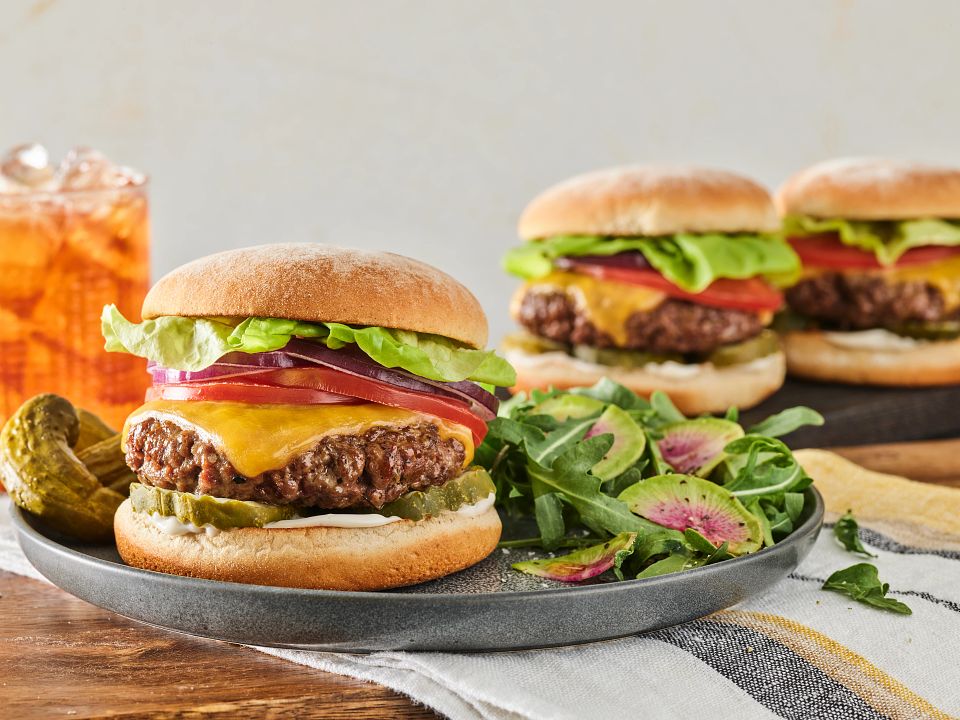
Not only does beef provide key nutrients for the body, but it also tastes great! At Sporting KC, beef is utilized in various ways to help players recover properly after an intense match or training session. A Sporting favorite after a game may seem quite simple, but it meets all the nutritional markers: Burgers! This quick recovery meal not only contains complete protein through beef, but it also provides carbohydrates from the bun and an abundance of antioxidants through toppings such as lettuce, tomato and onion. Discover more inspiration to beef up the flavor and nutrition of your burgers.
REFERENCES
- International Society of Sports Nutrition Position Stand: Protein and Exercise. 2017. J Int Soc Sports Nutr. doi: 10.1186/s12970-017-0177-8.
- American College of Sports Medicine Joint Position Statement. Nutrition and Athletic Performance. 2016. Med Sci Sports Exerc. doi: 10.1249/MSS.0000000000000852.
- US Department of Agriculture, Agricultural Research Service, Nutrient Data Laboratory. USDA National Nutrient Database for Standard Reference, Legacy. Version Current: April 2018. NDB#13364. https://fdc.nal.usda.gov/fdc-app.html#/food-details/170208/nutrients
- US Department of Agriculture, Agricultural Research Service Nutrient Data Laboratory. USDA National Nutrient Database for Standard Reference, Version current https://fdc.nal.usda.gov/ 1079 milk; 16398 peanut butter, 20137 quinoa; 12061 almonds; 1129 hard boiled egg; 1270 cheddar cheese; 16343 pinto beans; 16426 tofu; 1016 cottage cheese; 1117 low fat yogurt; 1278 Greek yogurt; 13366 beef; 5746 chicken breast; 1521 salmon